


When I told my sister I was going to speak with a candidate for New York State Comptroller in the upcoming primary race, her response was: “Comptroller sounds kind of like computer troll. Does it have something to do with tech?”
She is far from alone in not knowing much about the office. The Comptroller is one of the most powerful offices in the New York State government, and one of the least understood. At a minimum, the Comptroller manages audits by the State, administers state spending, oversees debt issuance, and serves as the sole trustee of a roughly $300 billion State pension fund - putting it around the eleventh largest pension fund in the world. Yet for most New Yorkers, it is a little thought of position with unknown powers and responsibilities.
Adem T. Bunkeddeko, Democratic candidate for State Comptroller in New York, is running on the vision that the powers of the office are underused and, if properly explored, have the potential to reshape New York’s economy and social structure.

Below are takeaways from our conversation about why he’s running and a discussion about the main planks of his policy platform. Throughout, I have added explainers on what the New York State Constitution says about the Comptroller’s powers.
Why No One Knows What the Comptroller Does
Bunkeddeko argues that the Comptroller’s obscurity has less to do with a lack of power and more to do with how cautiously that power has been used.
“The Office of the State Comptroller is very unique and often overlooked,” he told me, “not because of a lack of influence, but because its powers are rarely used in the way I imagine they could be.”
He breaks the job into three core functions:
First, the control function: managing state fiscal policy, issuing debt, and overseeing the budget as money moves through government.
Second, the audit function: reviewing where public dollars actually went after they’ve been spent.
And third, often forgotten but perhaps most important for his policy proposals, the investor function.
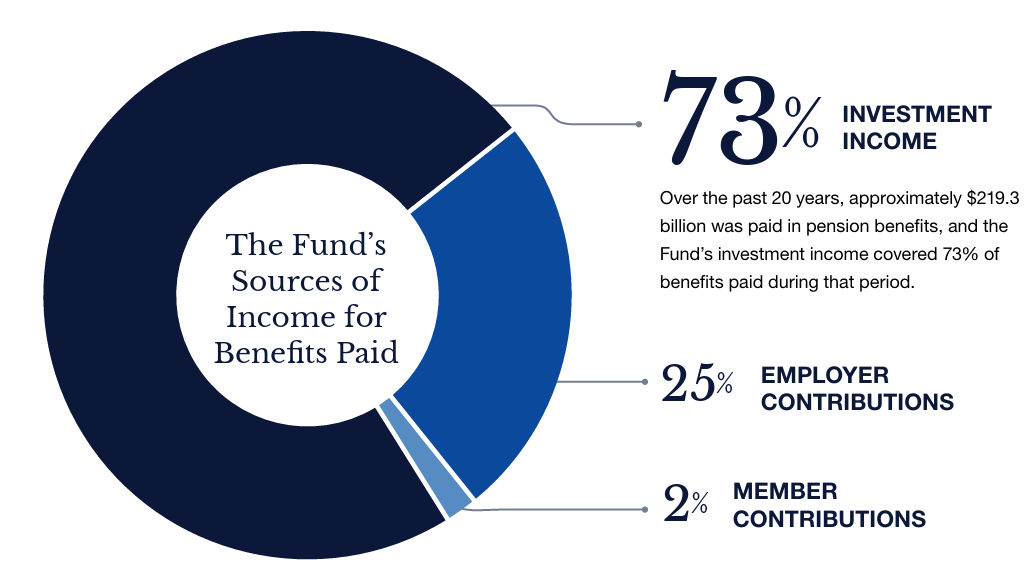
“The Comptroller is the singular head of the state pension fund,” he said. “That makes New York one of the largest institutional investors in the world.”
Explainer: What Powers Does the NYS Comptroller Explicitly Have?
Constitutional authority:
The Comptroller is a statewide elected constitutional officer.
Authority derives primarily from Article V, §1 of the New York State Constitution, which establishes the Comptroller as the State’s chief fiscal officer.
Core statutory powers:
Audit & Control
Oversees state expenditures before and after payment.
Reviews contracts, vouchers, and agency spending.
Authority codified in New York State Finance Law §§8, 9, 112.
Debt Issuance
Manages and issues state debt.
Acts as custodian of state funds and accounts.
Audits
Conducts performance and compliance audits of state agencies, public authorities, and local governments.
Authority under State Finance Law §8 and General Municipal Law Article 3.
Sole Trustee of the NYS Pension Fund
The Comptroller is the sole fiduciary of the New York State Common Retirement Fund.
Key constraint
All pension decisions must meet the fiduciary duty standard: acting solely in the interest of plan beneficiaries.
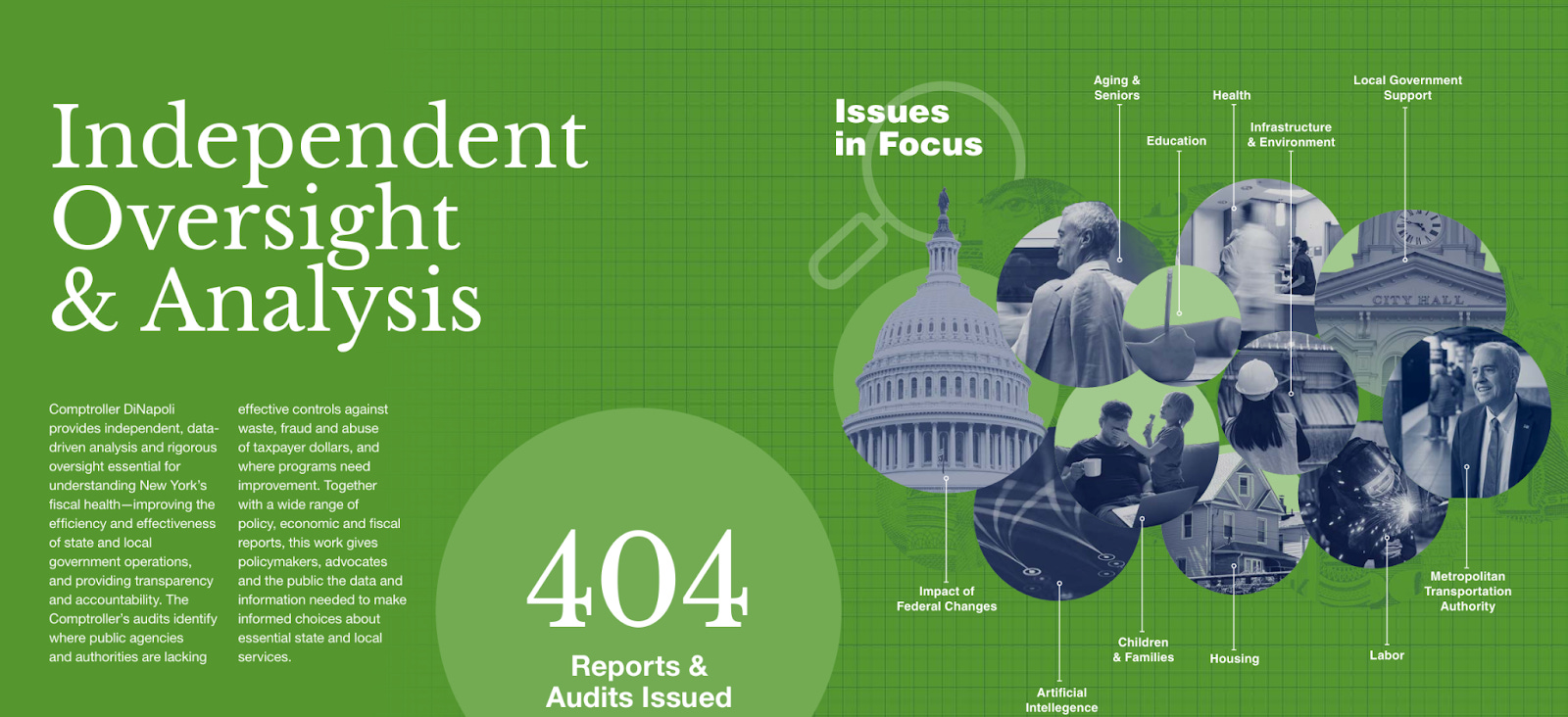
Historically, he argues, the office has leaned into its watchdog role over State spending, which involves issuing reports, flagging issues, and operating quietly in the background. But the scale of the pension fund, in particular, gives the Comptroller leverage over some of the most structural challenges facing the state.
While the Comptroller has no legislating powers, the office can influence policy at the State level through its various roles in oversight and investment authority. By leveraging these powers more fully, matters like housing development and renewable energy in New York can be addressed through an activist investor approach.
“The Comptroller has always been thought of as a watchdog,” Bunkeddeko said. “But not as an active investor.”
From Congressional Races to State
Bunkeddeko previously ran twice for Congress in Central Brooklyn. So why pivot to a relatively obscure statewide office? The answer is the housing affordability crisis.
“I grew up in a one-bedroom apartment,” he said. “My parents had to scrape by to pay for that apartment. It wasn’t ideal, but it provided stability. It was an anchor for me to build the life that I lead now.”
That sense of stability is increasingly out of reach for New Yorkers. In his view, incremental housing policy fixes are no longer sufficient.
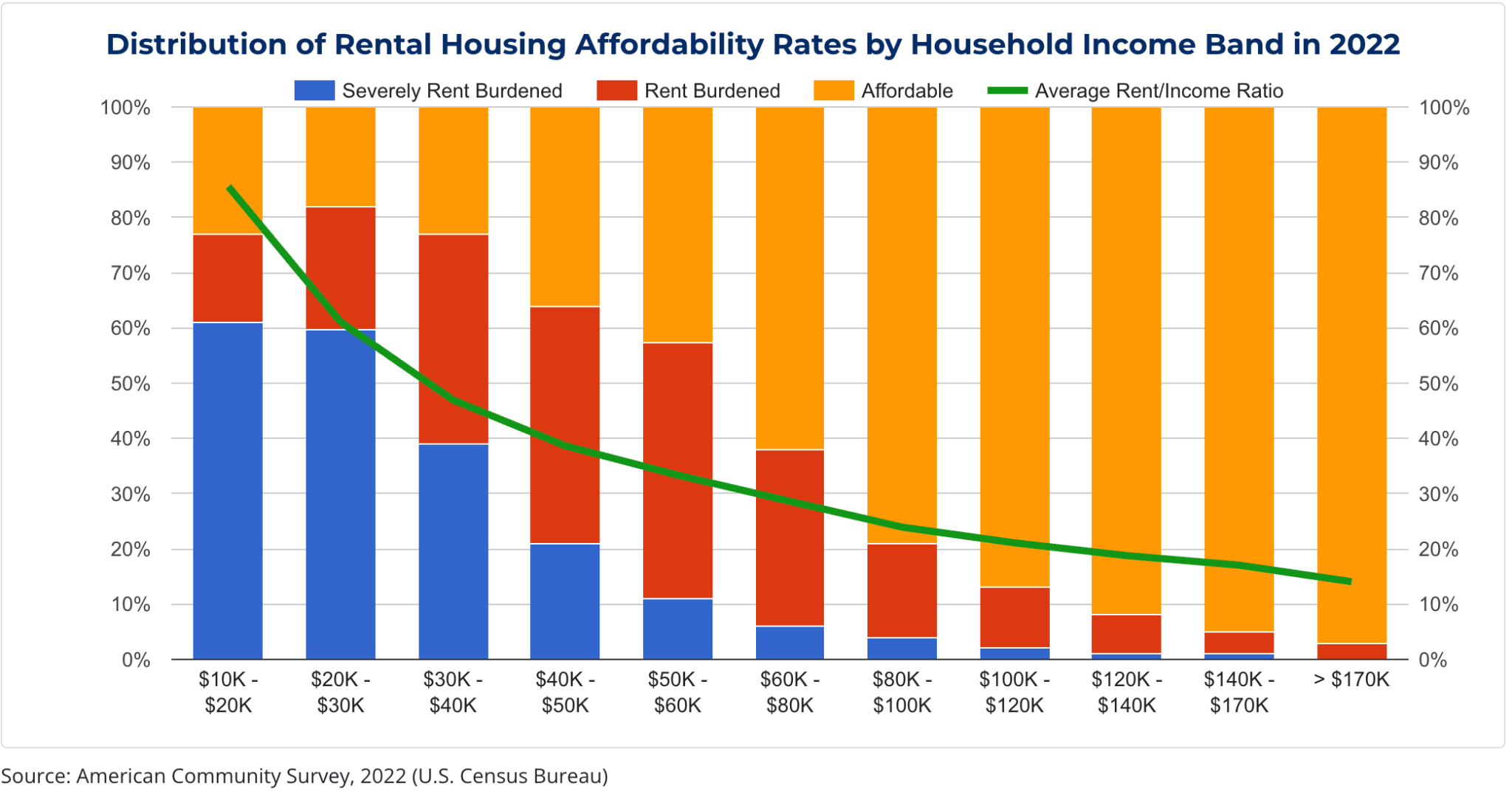
“With housing today,” he said, “the train has left the station. Solving this crisis requires much more dramatic intervention.”
What changed, he explained, was realizing that one of the most powerful tools available to the state has barely been used to address housing supply or affordability at scale. One policy he proposes is using the State’s massive pension fund - totaling around $300 billion - to invest in building and developing affordable housing.
Explainer: How can the Comptroller Influence Housing Policy?
Indirect but powerful tools:
Pension fund investments in:
Affordable housing
Workforce housing
Real estate development vehicles
Oversight of housing-related authorities and contracts through audits
Legal basis:
Investment authority comes from Retirement and Social Security Law, which allows investment in “any form of real or personal property” consistent with fiduciary duty.
“If we’re going to actually solve this crisis,” Bunkeddeko said, “we need to explore the entire toolkit available to the government.”
Community Boards as Early Warning Systems
Before running for higher office, Bunkeddeko served on Brooklyn Community Board 8. That has turned into a formative experience he returns to often and that he drew on in building his platform.
“There is no more intimate space to hear the housing challenges facing New York City than a community board,” he said.

Community boards, he argues, function as early warning systems. “Gentrification, rising rents, sidewalk issues, new development - all of it flows through community boards first.”
Many of the ideas in his platform, he says, were “hypothesis-tested” there, long before they appeared in campaign materials.
“You can see rent burden show up in community boards before it shows up in statewide data,” he said. “That experience shaped how I think about policy.”
How Pension Funds Can Build Infrastructure
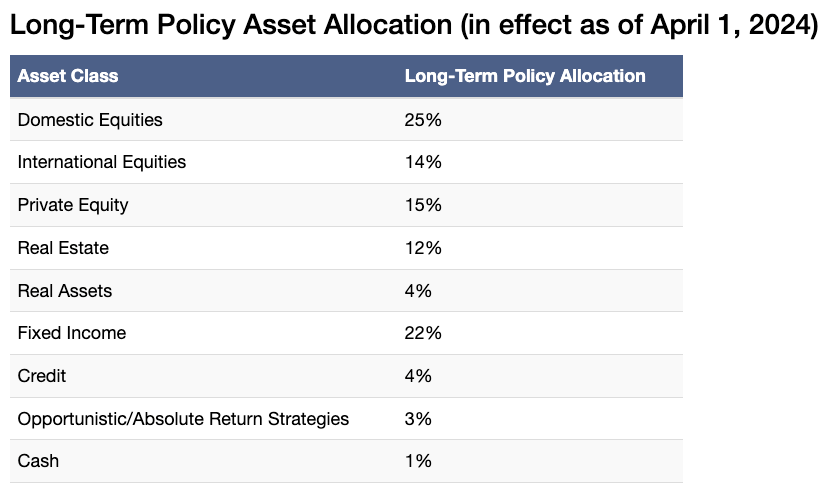
As of November 2025, the New York State pension fund was valued at over $291 billion for over 400,000 beneficiaries receiving payment. In 2025, the fund paid out over $13.2 billion, with around $180 million going to residents of New York county. One of the most ambitious elements of Bunkeddeko’s platform is his proposal to shift pension investments away from passive indexes and toward large-scale infrastructure like hydropower transmission, high-speed rail, clean energy, and affordable housing.
Explainer: Can Pension Funds Be Used for Infrastructure?
Yes, as long as investments meet certain conditions.
Legal framework:
Pension investments must satisfy fiduciary duty under:
NY Prudent Investor Act
Infrastructure investments are allowed if they meet:
Risk-adjusted return standards
Long-term portfolio needs
Precedents:
Canadian pension funds (e.g. CDPQ, Ontario Teachers’) invest heavily in infrastructure.
NYSCRF already invests in:
Real estate
Private equity
Infrastructure funds (to a limited extent)
What’s new here:
Scale and scope of the infrastructure investments
Explicit alignment with state economic development goals
“Right now, states are in a race to the bottom,” he said, citing his experience at Empire State Development Corporation, where he saw New York offering tax credits and subsidies to lure companies to the State. “We’re stabbing ourselves in the foot just to compete.”

In my post on budget options for NYC, I noted several examples of tax exemptions the State and City offer businesses. These exemptions cost NYC hundreds of millions of dollars.
Instead, he argues the state should focus on delivering core public goods: education, housing, transportation, and energy. He points to history as precedent. “The subway was built over 100 years ago out to places that were basically farmland,” he said. “That investment helped create the city we live in today.”
For Bunkeddeko, the Comptroller’s job is not just to guard today’s balance sheet. “The Comptroller should be the fiscal guardian of not only today, but tomorrow.”
Should New Yorkers Own a Piece of Their Teams?
Another example of investing pension funds to build infrastructure and rewrite NY’s social contract is Bunkeddeko’s idea of investing pension funds in major New York sports franchises. He proposes to invest significantly in the Madison Square Garden Sports teams (the Knicks and the Rangers).
The logic, he says, is straightforward: “Should New Yorkers participate in the upside of the economic assets they generate value for? These teams wouldn’t be worth what they are without teachers, firefighters, and everyday New Yorkers buying tickets and merchandise. The question is whether we can capture some of that upside.”
The upside he mentions is a claim that, by some metrics, these sports teams are undervalued. The market capitalization of Madison Square Garden is around $6.96 billion. But the Knicks and Rangers have separately been appraised to be worth $9.75 billion and $4 billion, which sums up to a lot of potential un-captured value.
Explainer: Is Public Pension Ownership of Sports Teams Legal?
Yes, but once again, with conditions:
Pension funds may invest in publicly traded equities if fiduciary standards are met.
MSG Sports is a publicly traded entity, and the State actually already owns a small share in MSG Sports.
Authority again derives from Retirement and Social Security Law.
What would be new:
Seeking board influence (by owning a significantly larger amount of shares)
Explicit public framing of ownership
Using the scale to influence governance behavior
What the Comptroller cannot do:
Use pension assets for symbolic or political purposes
Accept lower returns to achieve non-financial goals
Beyond financial returns, he also sees civic value in shared ownership. “Imagine what it would mean socially if everyday New Yorkers owned a slice of their teams,” he said. He cited Maple Leafs Sports being owned and operated by the Ontario Teachers’ Pension fund as one example. Another well-known public ownership structure is that of the Green Bay Packers, which receives tremendous buy-in from the city’s residents.
A Forensic Audit of the MTA
Talk to anyone who regularly rides the subway, and before long you’ll hear the popular complaint that money given to the MTA will be wasted. While the transit agency is receiving more funding than ever before, many New Yorkers express doubts that it will go to effective uses.
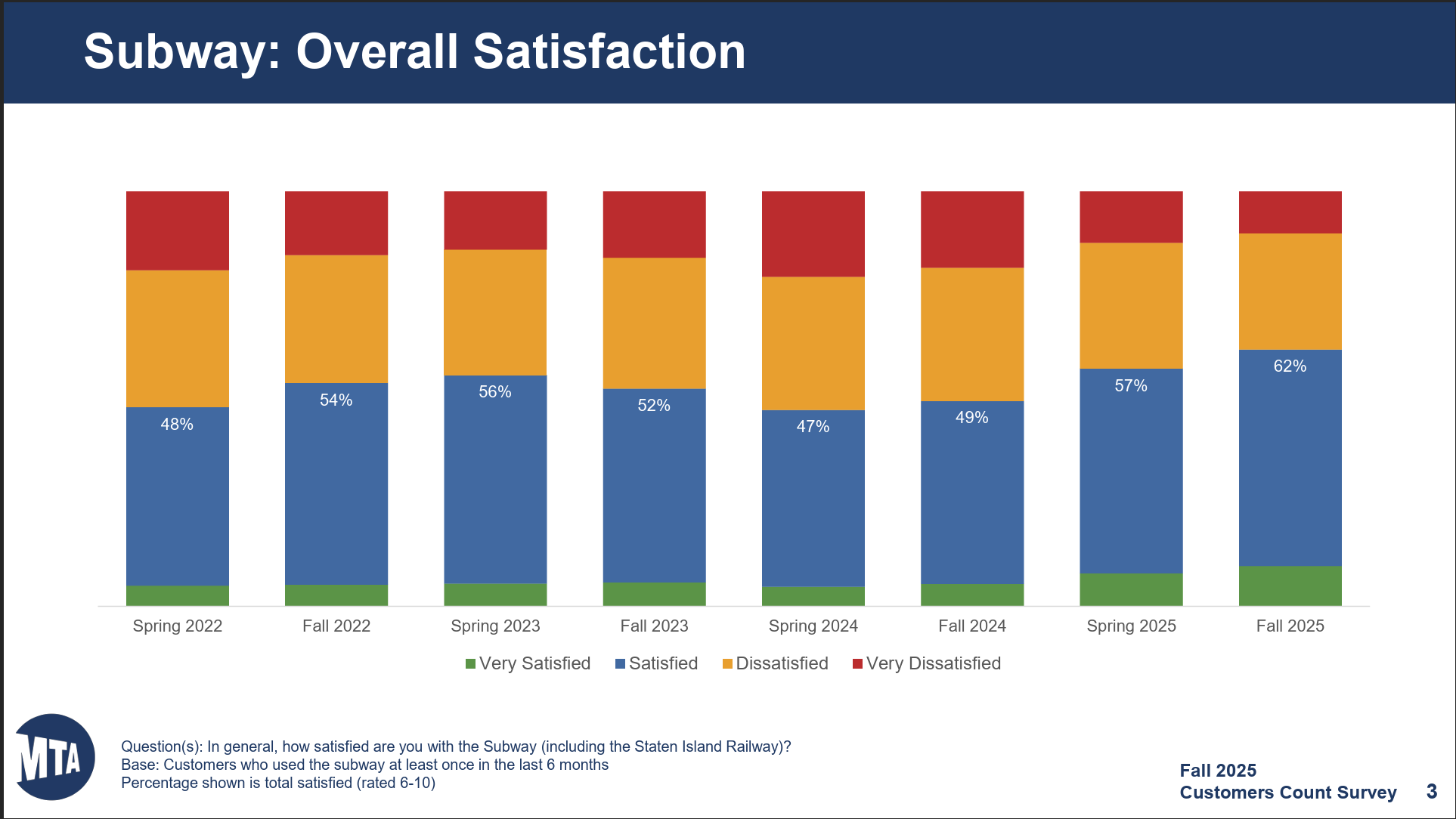
Bunkeddeko has called for a full forensic audit of the MTA and a temporary fare freeze while it’s conducted. He distinguishes this sharply from routine audits. “A forensic audit is the difference between a regular clean and a deep clean,” he said.
Explainer: What Audit Power Does the Comptroller Have Over the MTA?
Yes, the Comptroller can audit the MTA:
Comptroller routinely audits:
MTA capital spending
Operating efficiency
Procurement practices
Limits:
The Comptroller cannot:
Set fares
Direct MTA operations
Fire MTA leadership
Given the centrality of transit to NYC’s economy, he sees restoring trust as paramount. “If the MTA fails,” he said, “the lifeblood of New York City’s economy fails with it.” Similarly to his investment policies, Bunkeddeko believes in both economic and social benefits to his proposal. The goal is not just to make good use of the State’s money, but to ensure that New Yorker’s see their government acting in good faith and trusting that it is doing its best to provide public services.
The goal, he emphasized, is not blame but clarity on how the MTA is using its funding from the State. “It feels like we’re paying more and getting worse service, and nobody really knows why.”
Running Against Incumbency and Orthodoxy
Bunkeddeko is challenging the current 18-year incumbent Thomas P. DiNapoli and has entered a crowded Democratic primary field. He sees the distinction between his campaign and others along three dimensions:
First, vision. “It’s not enough to just talk about building more housing,” he said. “We need to rewrite the social contract and housing is the central anchor of that.”
Second, policy scope. His platform links housing, transportation, energy, worker protections, and intergenerational wealth into a single fiscal framework, rather than treating them as siloed issues.
Third, lived experience. “I don’t have to conceptualize what it’s like to live in affordable housing,” he told me. “I lived it. I grew up here. I experienced the MTA’s issues, rising rents, all of it.”
That combination, he argues, shapes not just what policies he supports, but how aggressively he believes state institutions should intervene.
When I asked him how he would measure success, Bunkeddeko acknowledged the obvious metrics: pension performance, budget savings, audit outcomes. But those aren’t what concern him most at the end of the day.
“The deeper question is: are we restoring faith in government?” he said. “New Yorkers have lost trust in the state’s ability to deliver on housing, transportation, and basic governance.”
Financial benchmarks are easy to track, he noted. Public confidence is not. But that, ultimately, is what voters will judge. “This election is about whether we want to use all the tools the state constitution already gives us,” Bunkeddeko said. “The voters get to decide whether this office should remain obscure or be transformed to meet the crisis we’re in.”